Maasai Mara National Reserve, Kenya
– Wildlife, Great Migration & Safari Guide
The Masai Mara National Reserve, often referred to simply as the Masai Mara or the Mara, is one of Africa’s most renowned and iconic wildlife conservation areas. Located in southwestern Kenya, it spans approximately 1,510 square kilometers (580 square miles) and is contiguous with the Serengeti National Park in Tanzania, forming part of the larger Serengeti-Mara ecosystem. The reserve is named in honor of the Maasai people, the indigenous inhabitants of the region, and the Mara River, which flows through the park and is a vital water source for its wildlife.
Park Essentials
- Size: 1,510 km² (583 sq mi)
- Best for: Great Migration, big cats and year-round wildlife viewing
- Entry fee (non-resident): USD 100 adult / USD 50 child (Reserve rates – conservancy fees vary separately)
- Distance from Nairobi: Approx. 270 km (5–6 hrs by road)
- Airstrips: Keekorok, Ol Kiombo, Mara Serena, Musiara and several conservancy airstrips
- Gates open: 6:00 AM – 6:00 PM
Best Time to Visit Maasai Mara - Month by Month
Weather, rainfall and wildlife conditions vary throughout the year. Use this seasonal guide to plan your Maasai Mara safari.
Maasai Mara National Reserve Guide
Explore the landscapes, wildlife and cultural heritage of Kenya’s most celebrated safari destination.
Maasai Mara vs Other Kenyan Parks
Choose the right safari destination based on your travel priorities.
| Destination | Best For | Signature Experience |
|---|---|---|
| Maasai Mara | Big cats & migration | River crossings & lion prides |
| Amboseli | Elephants & Kilimanjaro views | Super tuskers & iconic landscapes |
| Tsavo West | Red Elephants, Remote wilderness | Lava flows & Mzima Springs |
| Samburu | Rare species | Grevy’s zebra & reticulated giraffe |
Frequently Asked Questions
Expert insights to help you confidently plan your Maasai Mara safari - from migration timing and costs to logistics and safari experiences.
| Question | Answer |
|---|---|
| What is the Maasai Mara famous for? | The Maasai Mara is best known for the Great Migration, exceptional big cat sightings and year-round wildlife viewing. It is considered one of Africa’s premier safari destinations. |
| When is the best time to visit the Maasai Mara? | July–October is peak safari season when the Great Migration typically moves through the reserve. January–February also offers excellent wildlife viewing with drier conditions and fewer visitors. |
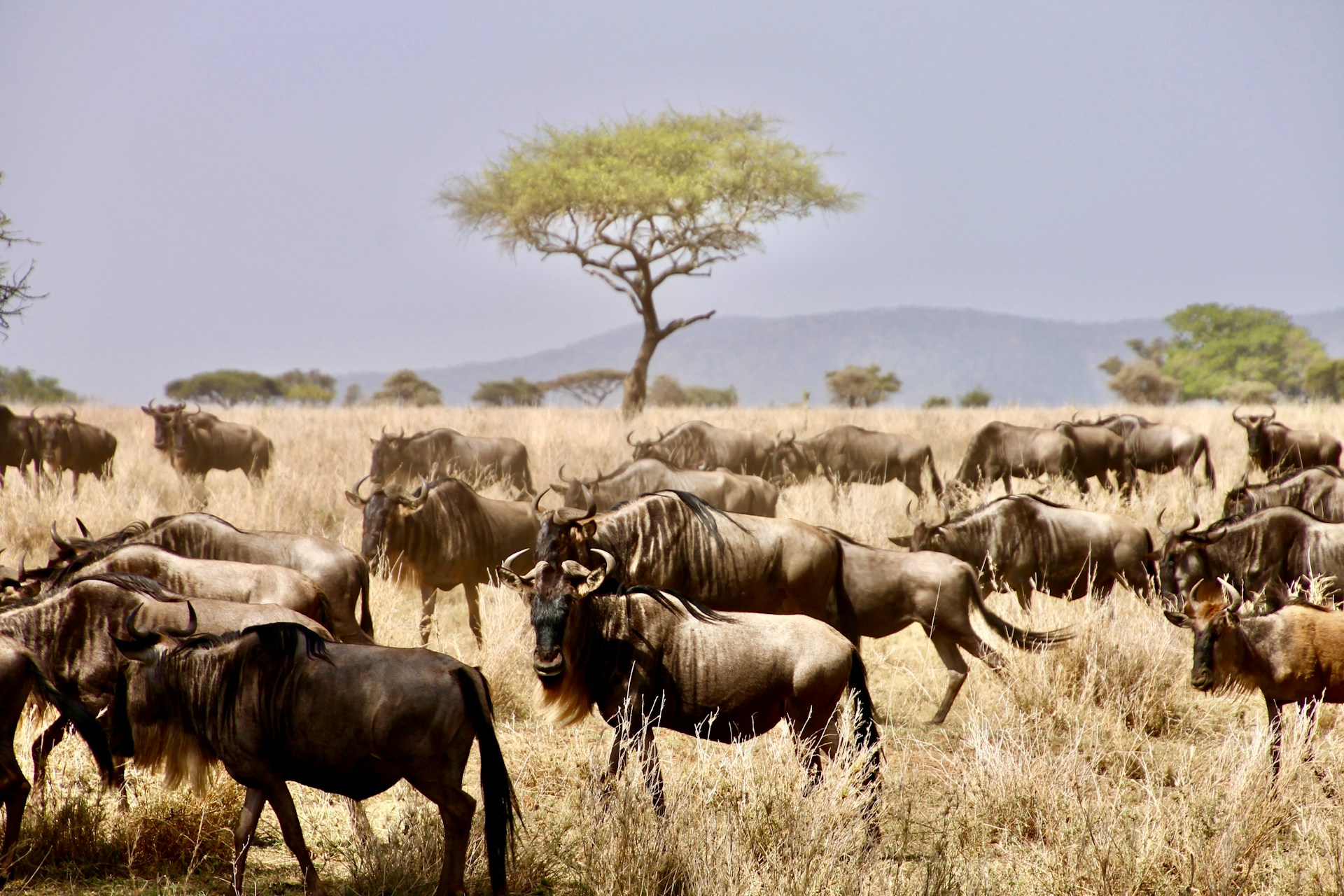
| When does the Great Migration happen? | The migration usually reaches the Maasai Mara between July and October, although exact timings vary depending on rainfall patterns and grazing conditions. |
| How many days should I spend in the Maasai Mara? | A stay of 3–4 nights is recommended to allow multiple game drives, better wildlife encounters and time to experience different areas of the reserve or conservancies. |
| How much does a Maasai Mara safari cost? | Safari costs generally range from $350 to $2,000+ per person per night depending on accommodation level, season, exclusivity and whether flights are included. |
| How do I get to the Maasai Mara? | You can drive from Nairobi in approximately 5–6 hours depending on road conditions or fly from Wilson Airport to various Mara airstrips in about 45–60 minutes. |
| Do I need a 4x4 vehicle? | Yes. A 4x4 vehicle is strongly recommended throughout the year especially during the rainy seasons when roads and tracks can become muddy and difficult to navigate. |
| What wildlife can I expect to see? | The Maasai Mara hosts lions, leopards, cheetahs, elephants, buffaloes, giraffes, zebras, wildebeests, hyenas and numerous antelope species. The reserve is also home to over 450 recorded bird species. |
| Is the Maasai Mara suitable for first-time safari visitors? | Absolutely. The reserve offers consistently strong wildlife sightings, experienced guides and a wide range of accommodation options making it ideal for first-time safari travellers. |
| Is the Maasai Mara good for families? | Yes. Many lodges and camps offer family-friendly accommodations, flexible activities and educational wildlife experiences suitable for children. |
| Should I stay inside the reserve or in a conservancy? | Staying inside the reserve offers direct access to key wildlife areas while conservancies provide a more exclusive experience with fewer vehicles and activities such as guided walks and night drives. |
| What activities can I do in the Maasai Mara? | Activities include game drives, hot air balloon safaris, guided walking safaris in conservancies, birdwatching, photography experiences and cultural visits to Maasai communities. |
| Do I need to book in advance? | Yes especially during peak migration season between July and October and during festive travel periods when camps and flights can book out well in advance. |
| Are park fees included in safari packages? | Most professionally arranged safaris include reserve or conservancy fees, but it is always important to confirm inclusions with your safari operator before booking. |
| What should I pack for the Maasai Mara? | Pack light neutral-colored clothing, comfortable layers for cool mornings, sunscreen, binoculars, a camera and a light waterproof jacket during rainy months. |
| What makes the Maasai Mara unique? | Few safari destinations combine such high wildlife density, dramatic predator encounters and the spectacle of the Great Migration within one ecosystem. The Maasai Mara also offers strong cultural connections and some of Africa’s most iconic safari landscapes. |
Best Maasai Mara Lodges & Camps
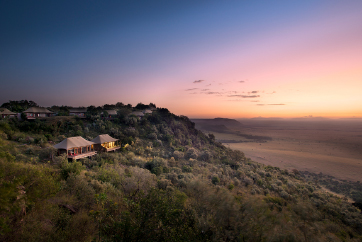
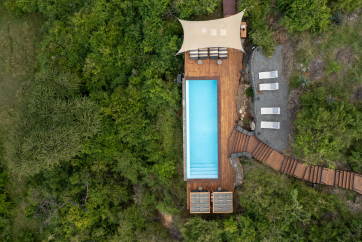
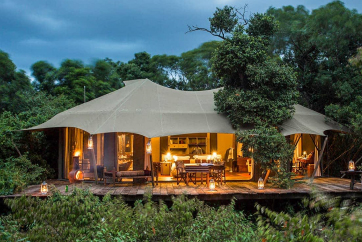
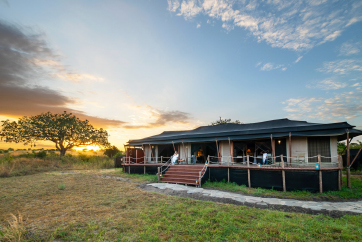
Discover handpicked safari camps and lodges offering exceptional wildlife access, immersive safari experiences and some of the Maasai Mara’s finest locations.