4 Days Nairobi to Shompole Wilderness via Ngong
Exclusive Walking Safaris, Maasai Heritage & Remote Wilderness Experiences
Safari Map
Highlights
- Scenic journey through the Ngong Hills, Lake Magadi, and the dramatic landscapes of the South Rift.
- Visit the Olorgasailie Prehistoric Site, where early humans made stone tools over a million years ago.
- Explore Shompole Wilderness Conservancy, a remote, unfenced wilderness on Maasai community land.
- Enjoy unique walking safaris led by Maasai warriors in a region home to 21 carnivore species and 435 bird species.
- Experience intimate wilderness camps, river wildlife along the Ewaso Ng’iro River, natural hot springs, and evenings under a sky full of stars.
Safari Itinerary
Day 1: Nairobi to Shompole Wilderness Conservancy
Leave Nairobi at dawn and drive south on Ngong Road past Karen and Kiserian. The Ngong Hills rise on your left – seven peaks the Maasai call the knuckles of a sleeping giant. Cattle and goats dot the red plains as you leave the city behind.
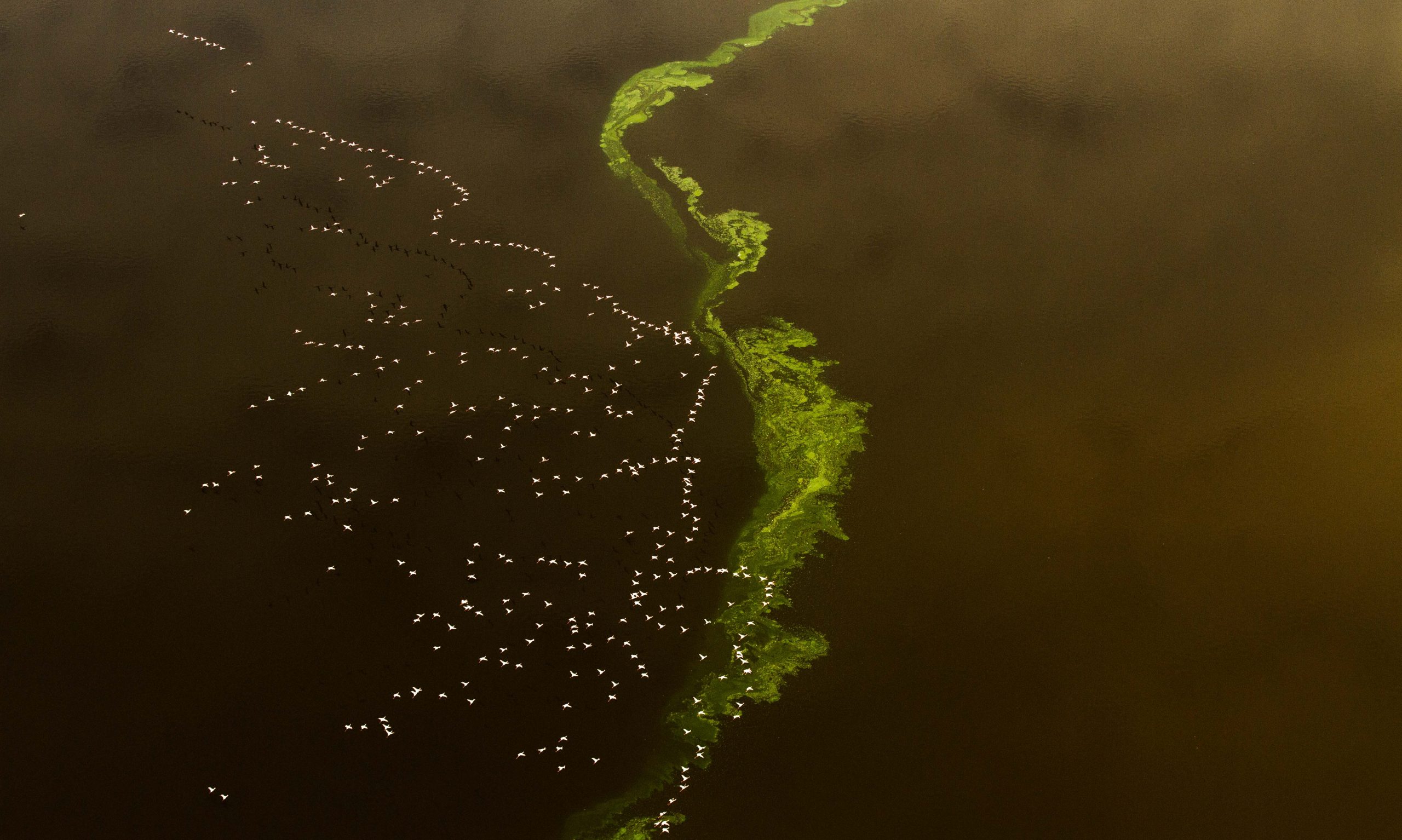
By mid-morning you reach Magadi town, the last stop for supplies. Just beyond it lies Lake Magadi, a vast white soda lake where flamingos feed. Steam rises from natural hot springs at the lake’s edge. The ground is warm and the air smells of sulfur.
The tarmac ends and the track begins. South of Magadi you’ll find Olorgasailie Prehistoric Site. A small museum sits at a fossilized riverbed where early humans made stone tools over a million years ago. Hand axes and flakes still lie on the ground where Homo erectus left them.
Beyond Olorgasailie the landscape turns wild. You drive across soda flats, climb escarpments, and cross dry riverbeds. Along the way you pass working Maasai manyattas – homesteads of thorn and mud where daily life continues as it has for centuries.
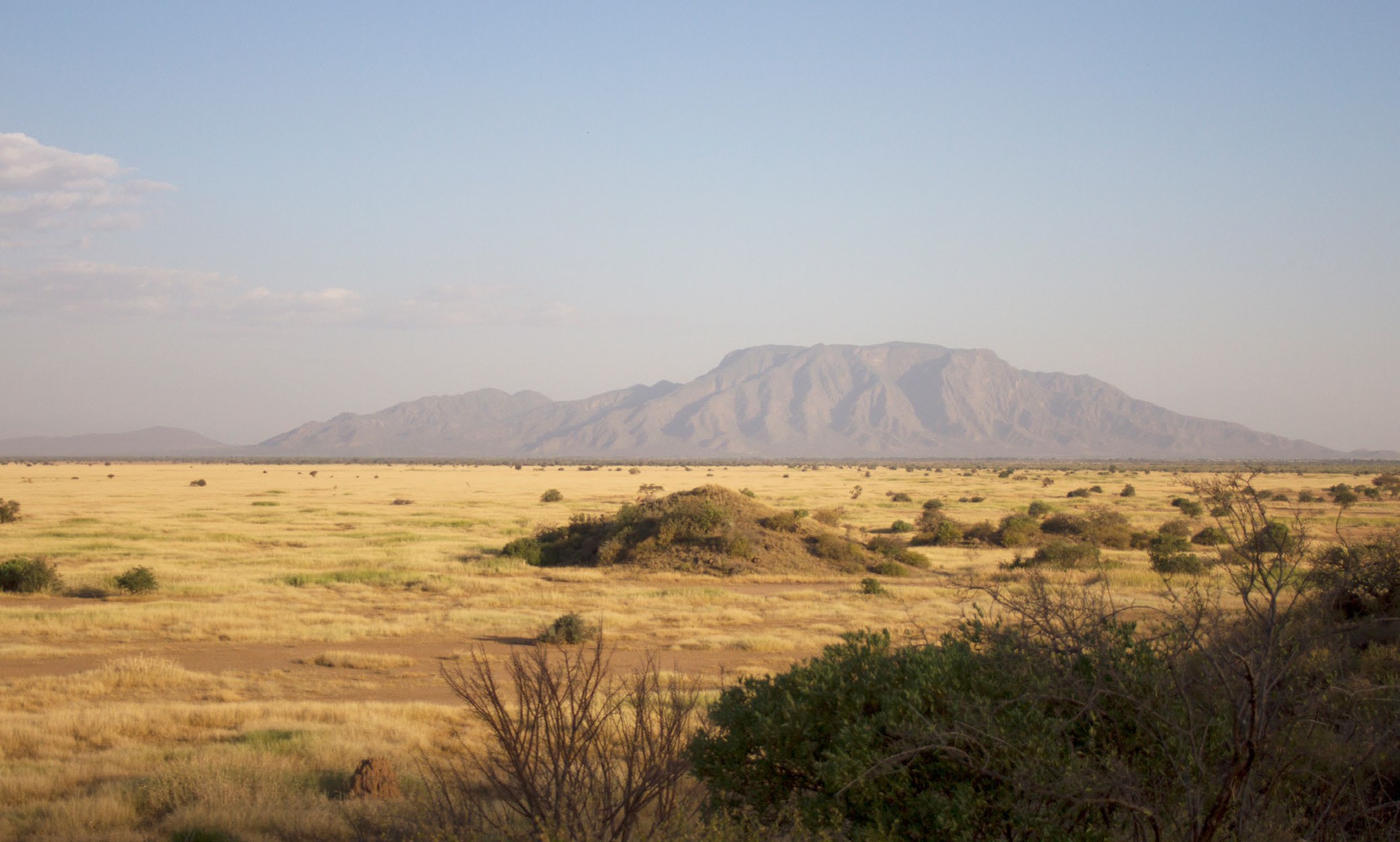
Further west, Lake Natron appears on the Tanzania side. From August to November it turns pink with millions of lesser flamingos. Behind it rises Gelai Volcano, sacred to the Maasai as the “Mountain of God”.
Arrive at the gate of Shompole Wilderness Conservancy, where the modern world stops. This is Maasai community land with no fences. Settle into your camp and spend the evening in the wilderness before ending the day under a sky full of stars.
Overnight at your chosen camp.
Day 2: Walking Safari in Shompole Wilderness
Shompole Wilderness is in the South Rift of Kenya, within the Great Rift Valley – the largest valley on earth. It sits on community land of the Shompole Maasai people, between the Maasai Mara National Reserve to the northwest, Amboseli National Park to the southeast, and the Kenya-Tanzania border just to the south.
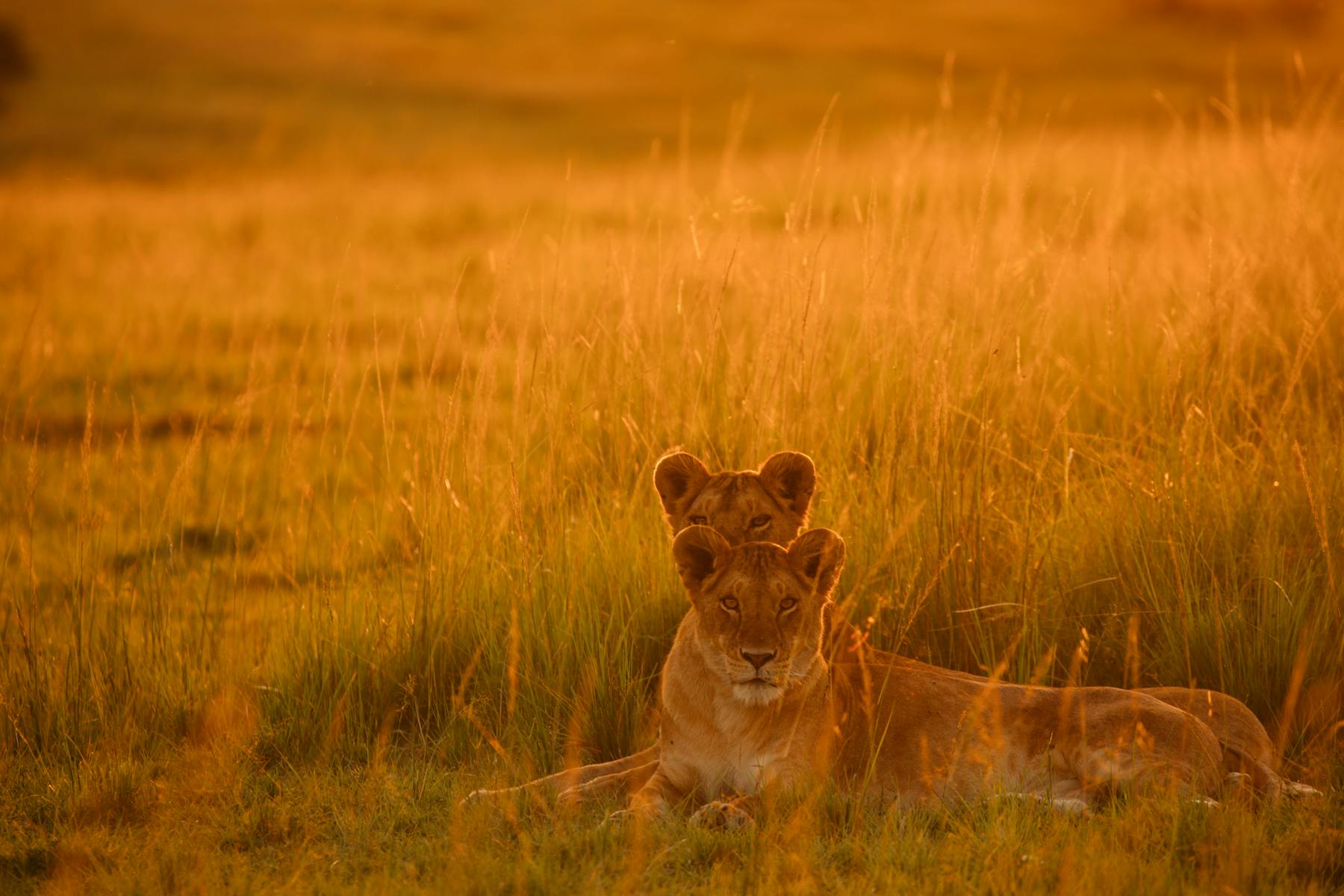
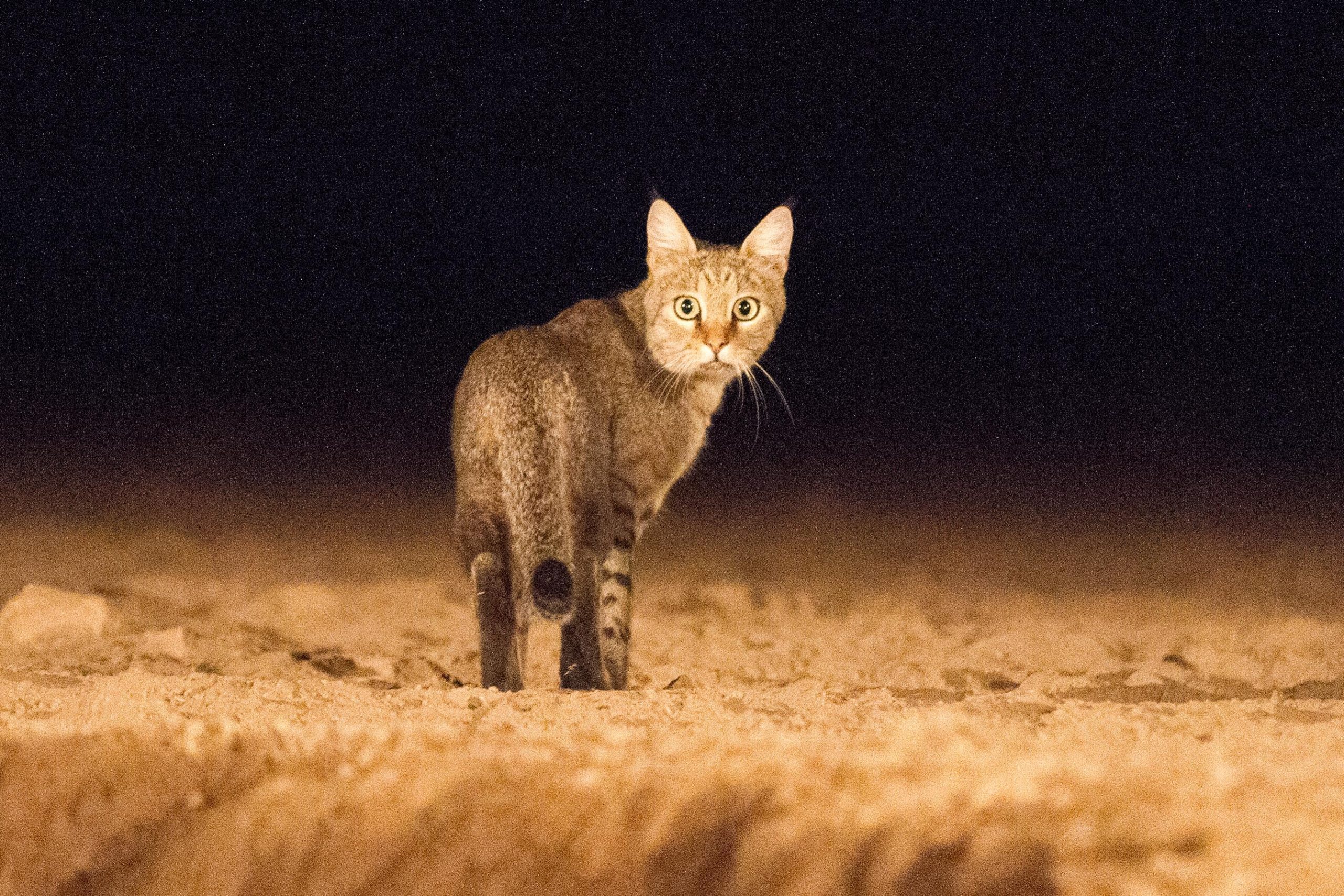
The Rift Valley is the ‘cradle of mankind’. It also holds the highest diversity of birds and mammals in Africa. In Shompole alone you’ll find 21 carnivore species, all the large mammals except rhino, and 435 bird species recorded.
There are no vehicles here. The safari is on foot. Maasai warriors guide you as you track wildlife through grass, dust and rock.
Spend the day exploring the conservancy on foot with your Maasai guides before returning to camp for another evening in the wilderness.
Overnight at Shompole Wilderness.
Day 3: Ewaso Ng’iro River and Shompole Experiences
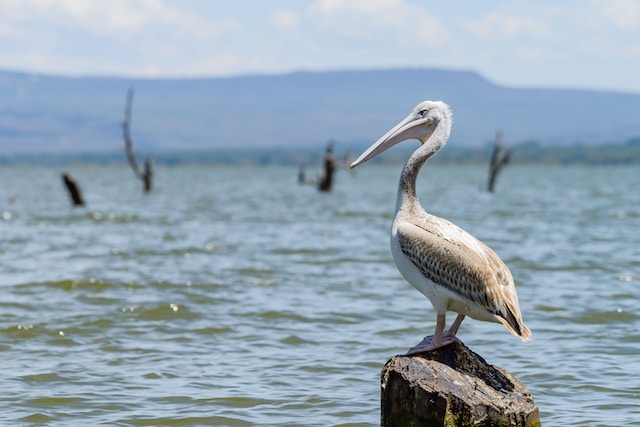
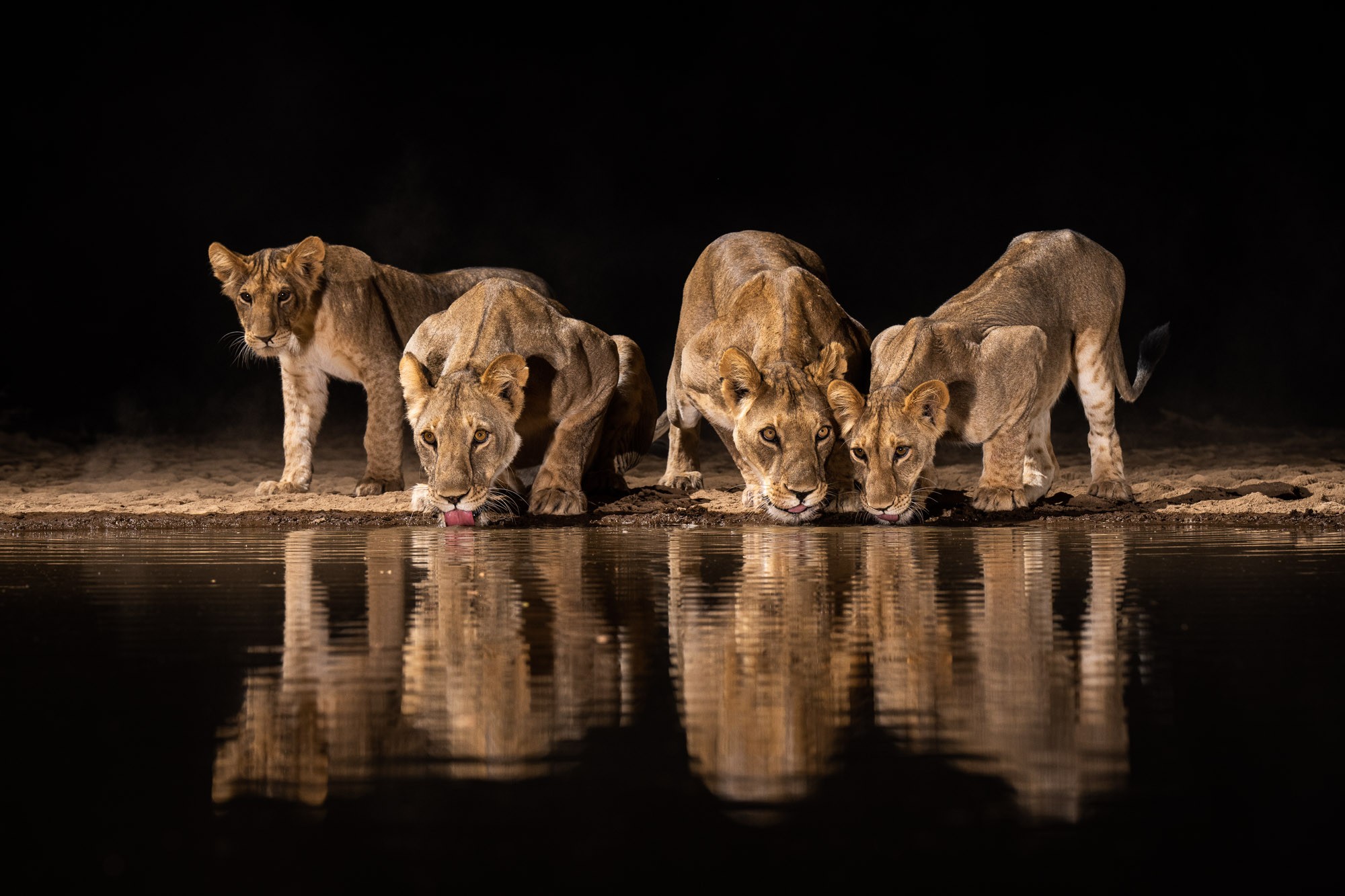
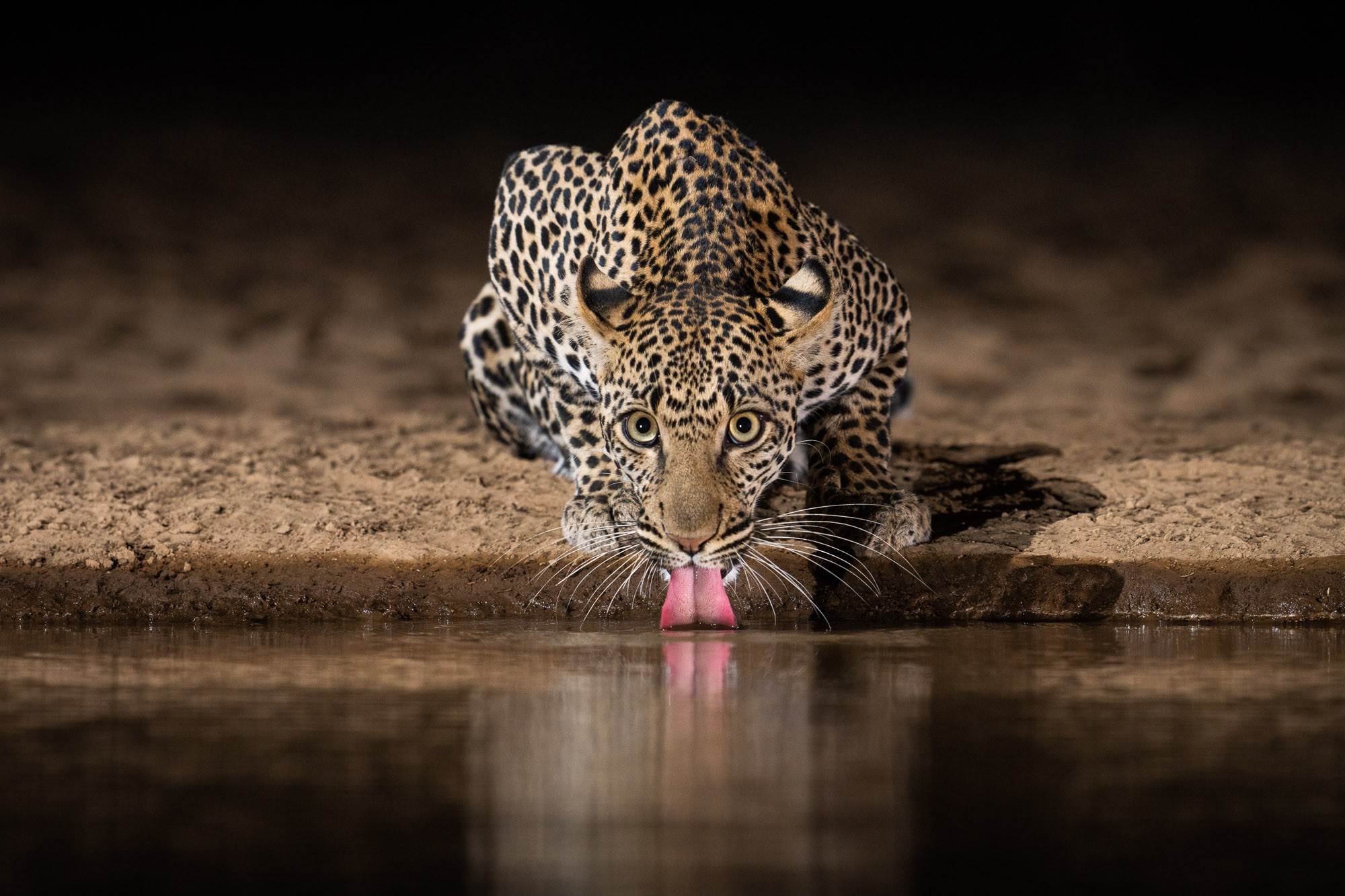
Choose to spend time at Shompole Hides, set along the Ewaso Ng’iro River at water level. From the hides you watch buffalo, crocs and birds come to drink. It’s rustic and immersive – perfect for river wildlife and birding.
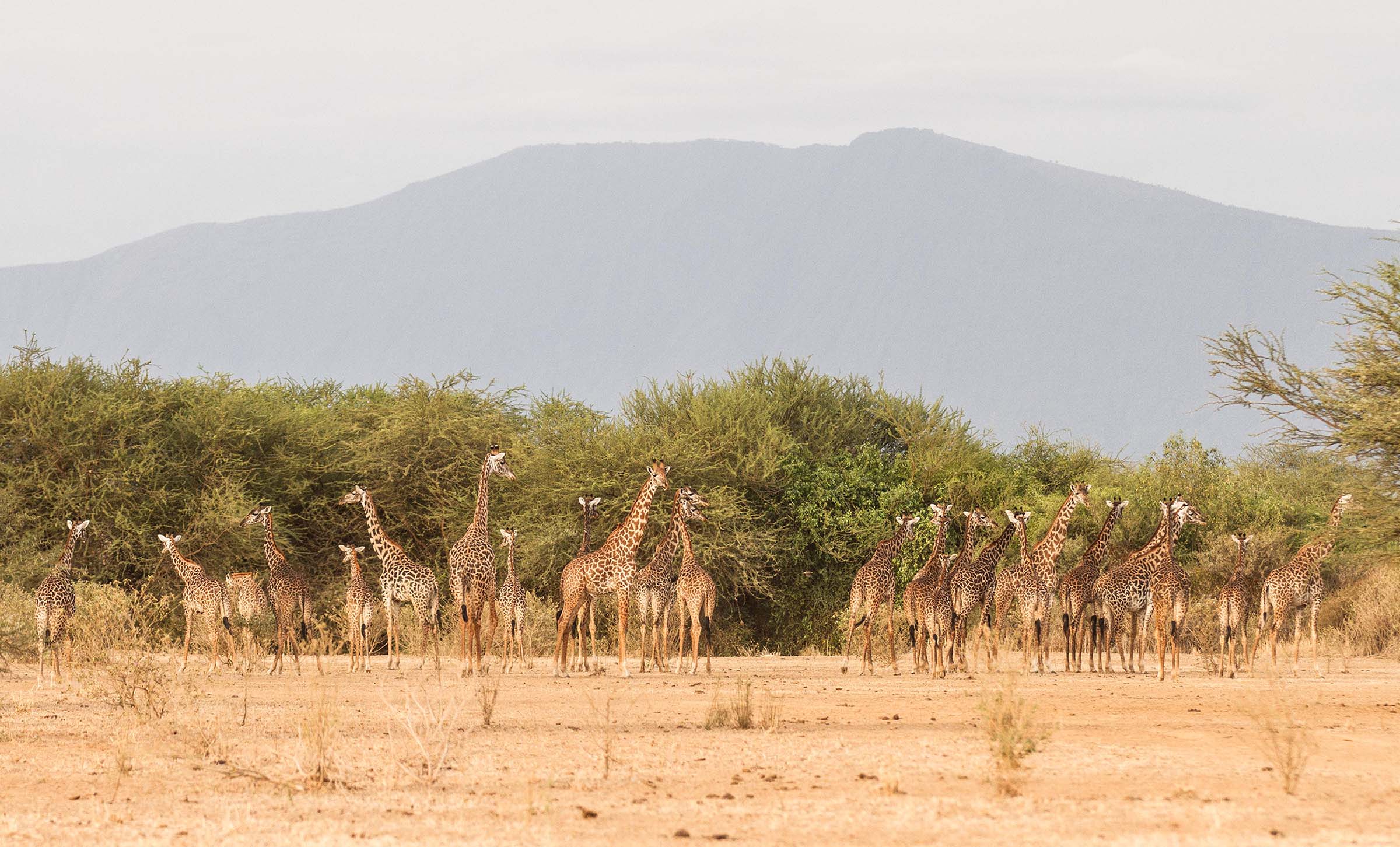
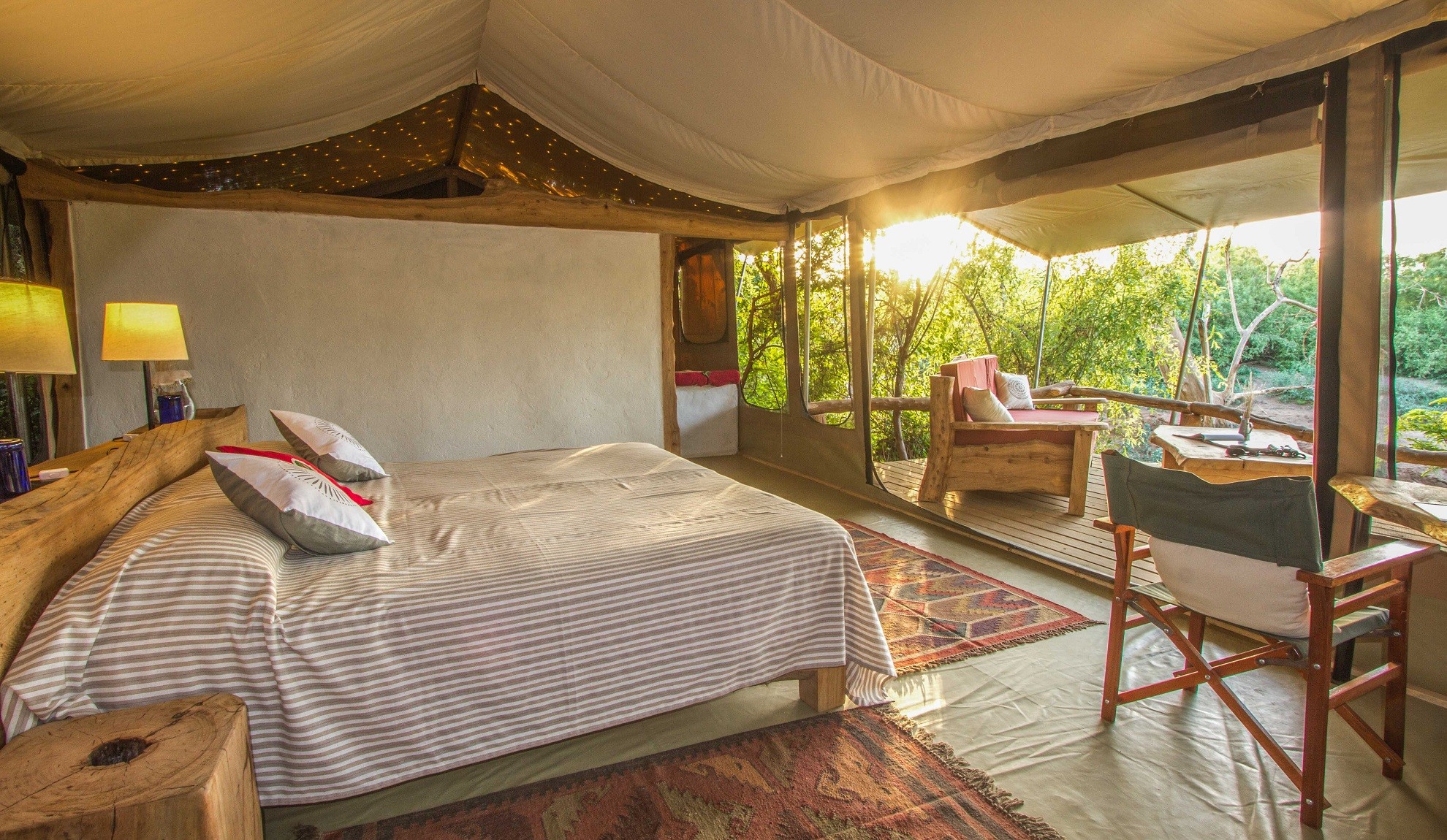
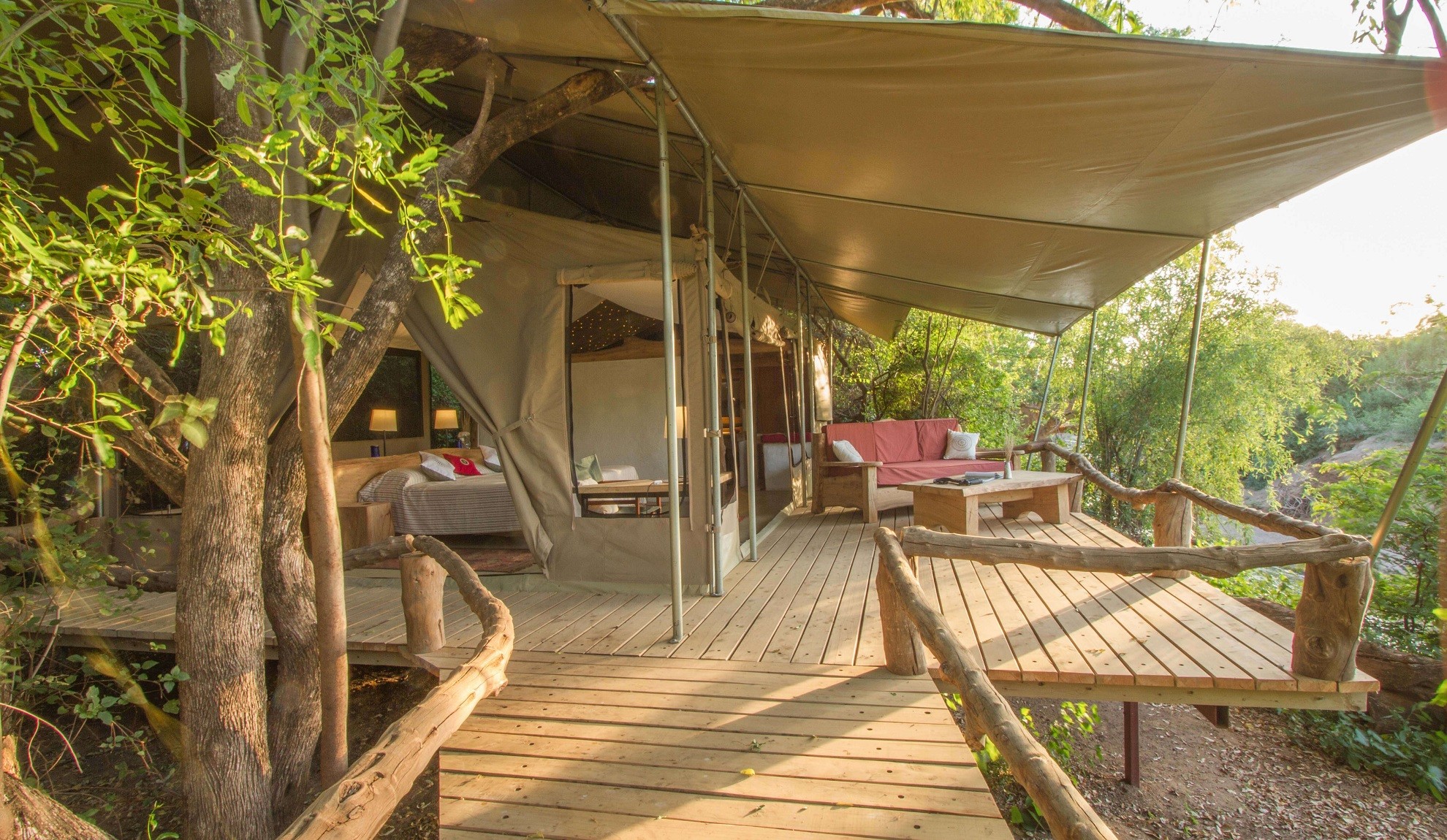
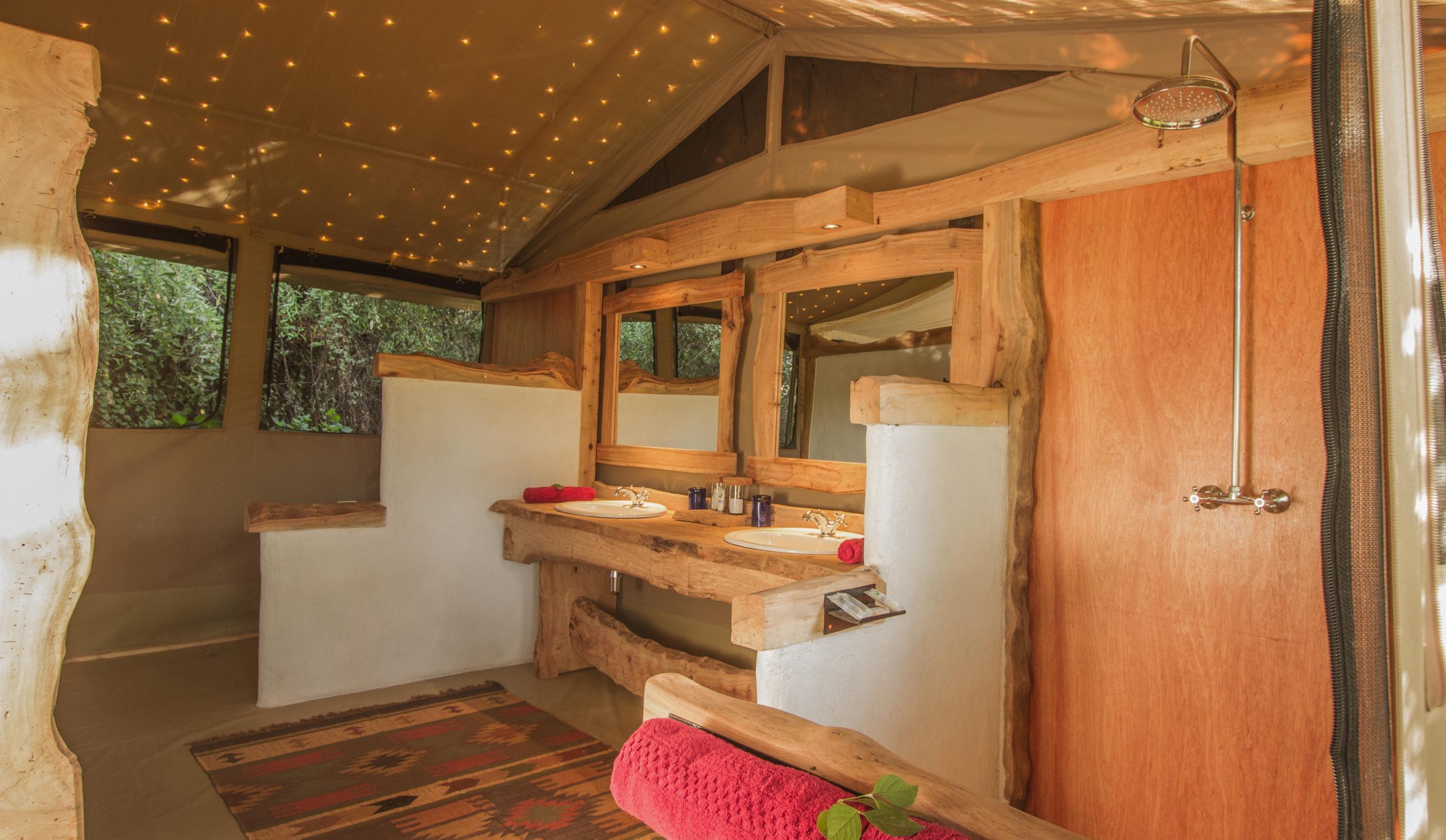
Alternatively, enjoy the privacy of Ol Donyo Lodoso, a small camp deeper toward the border with only four tents and total privacy, or relax at Shompole Wilderness Camp, situated on the banks of the Ewaso Ng’iro River. With just six tents and miles of land to explore, your stay feels both homely and wild at the same time. Elephants and giraffe often pass through camp at night.
As the day draws to a close, evenings end at the hot springs or in a manyatta, under a sky full of stars.
Overnight at your chosen camp.
Day 4: Shompole Wilderness to Nairobi
Enjoy a final morning in Shompole Wilderness before beginning the return journey to Nairobi through the dramatic landscapes of the South Rift.
From Nairobi to Shompole, the journey moves through geology, history and living culture. Dry season from June to October makes the walking best and turns Lake Natron pink.
- For reference only. Itineraries are subject to change.
Safari Price Includes
- All transportation in a 4x4 safari vehicle with a pop-up roof for game viewing
- Professional English-speaking safari guide
- All park entry fees and conservation charges
- Accommodation in your chosen lodge or camp (full board)
- Meals as specified on Itinerary (breakfast, lunch, and dinner)
- Bottled drinking water during the safari
- Game drives as per the itinerary
Safari Price Excludes
- International flights and visa fees
- Tips for guides and lodge staff
- Personal expenses (souvenirs, drinks, etc.)
- Optional activities (hot air balloon rides, Masai Village Visit etc.)
How The Shompole Hides Work
Everything you need to know about the Shompole Wilderness Hides.
Safari Booking Enquiry