
Where turquoise waters meet responsible adventure, the ocean’s guardians thrive.
Why Coastal Kenya Needs Protection
Kenya’s 600 km shoreline hosts vibrant coral reefs and five species of sea turtles green, hawksbill, loggerhead, leatherback, and olive ridley. Unsustainable fishing, plastic waste, and climate‑driven bleaching threaten these ecosystems. Marine safaris, when run responsibly, turn tourism into a force for conservation, giving local communities an economic stake in keeping the seas healthy.
Pillars of Sustainable Marine Tourism (Lavira Safaris)
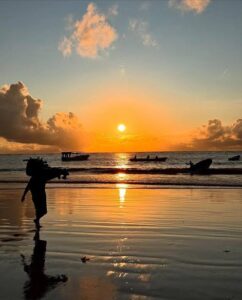
- Turtle Nesting Safeguards – Night patrols (Oct–Mar) guide nesting mothers to safe beaches and relocate nests threatened by tides or light pollution.
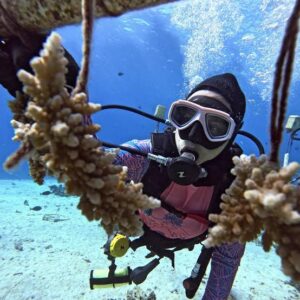
- Coral Rehabilitation & Reef Monitoring –Partner with the Kisumu Marine Research Centre to transplant heat‑resilient coral fragments. Volunteers log coral cover and fish diversity using Reef Check protocols.
- Zero‑Impact Snorkeling & Scuba – Groups limited to 8 pax, 2 m distance from turtles and reef structures. Biodegradable reef‑safe sunscreen and reusable gear mandatory.
- Community Empowerment – 7 % of marine package revenue flows to Watamu Turtle Watch and beach‑clean‑up crews. Local guides from Shimba Hills and Mwasumbi Village receive training and fair wages.
A Glimpse of the Journey (Sample 5‑Day Marine Safari)
Day 1 Morning to Evening – Arrival in Diani
Transfer from Mombasa airport,Railway Station or By road from Nairobi to Diani Beach, briefing on turtle etiquette.
@Night – Turtle Nesting Patrol (Watamu)
Join night patrol at Gede Ruins Beach, watch a green turtle lay eggs, assist with safe relocation if needed.
Day 2 – Coral Restoration Dive (Kisumu Marine Lab)
Snorkel a restored reef, help attach coral fragments, log data on a tablet.
Day 3 – Marine Life Cruise (Wasini Island)
Glass‑bottom boat tour spotting dolphins, manta rays, and vibrant reef fish; beach clean‑up with local youth.
Day 4 – Departure & Impact Recap
Visit a community co‑op selling hand‑woven baskets (proceeds fund sea‑turtle hatcheries).
Success Story : Watamu Turtle Watch
Since 2018, Watamu Turtle Watch (partnered with Lavira) boosted hatchling survival from 38 % to 72 % through nightly patrols and nest relocation. In 2023 they recorded 2,450 nests the highest count in a decade.
Quote:
“Every hatchling that reaches the sea is a promise we keep to our children.” Aisha Mwangi, Senior Turtle Monitor.
Success Story : Shimba Hills Marine Conservation Initiative
Local fishermen turned Marine Community Scouts,patrolling reef areas to curb illegal gear (e.g., dynamite fishing).Over two years, illegal fishing incidents fell 85 % and fish biomass grew 22 % in monitored zones.
How Travelers Can Contribute
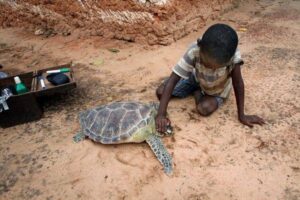

- Choose Turtle‑Friendly Packages – Night nesting tours with strict no‑touch rules.
- Carry Reef‑Safe Gear – Biodegradable sunscreen, reusable water bottle,cloth bags.
- Support Local Co‑ops – Buy handcrafted souvenirs; 100 % margin funds marine projects.
- Share Awareness – Post with #ProtectKenyaCorals and tag @LaviraSafaris.
Frequently Asked Questions
Is snorkeling safe for turtles?
Yes maintain 2 m distance, avoid stepping on reefs,use gentle breathing.
How much of the tour fee funds marine conservation?
7 % goes to turtle protection,reef restoration and community projects; breakdown available on request.
What should I pack?Lightweight quick‑dry clothes,reef‑safe sunscreen,snorkel mask,reusable bottle,small bag for beach clean‑up finds.
Closing Thoughts
Marine safaris let you glide over living art colorful corals,graceful turtles,bustling fish schools but the real magic happens when that beauty is guarded,not just gazed at.By choosing responsible travel with Lavira Safaris,you become part of the reef’s recovery and the turtles’ safe return to the sea.
Ready to dive into conservation?
📞 Call: +254 721 757 387
📧 Email: info@lavirasafaris.com
🌐 Visit: www.lavirasafaris.com