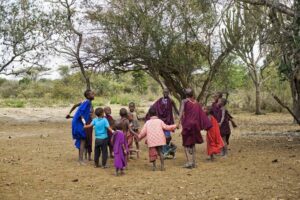
When travelers step into a Maasai village, they’re not just witnessing culture they’re helping preserve it.
Why Community‑Based Tourism Matters
For decades, the Maasai have lived in harmony with Kenya’s wild landscapes, safeguarding ancient traditions while protecting the very habitats that sustain wildlife. Yet, poverty and land pressure threatened both culture and conservation. Community‑based tourism (CBT) flips the script: instead of outsiders extracting value, local communities become the hosts, stewards, and beneficiaries. Every shilling spent stays within the village, funding schools, health clinics, and clean water projects, while visitors gain an authentic, immersive experience.
The Pillars of Maasai CBT at Lavira Safaris
- Ownership & Employment – Each CBT program is run by a village cooperative. Maasai guides, chefs, artisans, and drivers are employed directly, ensuring fair wages and a sense of pride.
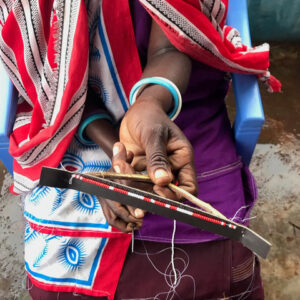
- Exchange, Not Performance – Visitors join daily routines—milking cows, learning beadwork, or listening to elders share folklore around a fire. The focus is mutual respect, not staged “show‑business.”
- Revenue Sharing – A fixed percentage (often 10‑15 %) of tour fees flows back to the village development fund. The fund finances school bursaries, dispensary upgrades, and water boreholes.
- Conservation Incentives – When wildlife thrists, tourism thrists. Villages receive bonuses for zero‑poaching records and for maintaining grazing corridors that link national parks to community lands.
A Day in the Life (Sample Itinerary)
8A.M– Arrival at the village boma, welcome tea brewed on a charcoal stove.
10A.M – Walk with a Maasai guide to a nearby wildlife conservancy, learning spotting techniques.
12P.m– Hands‑on bead‑making workshop; finished pieces are sold in the lodge boutique, with proceeds returning to the group.
12P.M to 2P.M – Lauch break
3P.M to 5P.M– Evening storytelling under a sky full of stars, followed by a traditional dance performance. Where after you return to the lodge.
Real Impact: Stories from the Ground
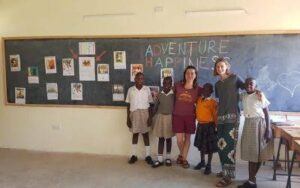
- Maria’s School – Thanks to tourism revenue, the village built a new classroom and provided textbooks for 45 children.
- Elder Njoroge’s Herd – With reduced poaching pressure, his cattle now graze safely near a rhino sanctuary, boosting both livestock health and wildlife safety.
How Travelers Can Contribute
- Choose CBT Packages – Opt for itineraries that include a village vist.
- Buy Local – Purchase handcrafted jewelry, woven baskets, or honey directly from artisans.
- Respect Customs – Dress modestly, ask permission before taking photos, and listen attentively to elders.
Frequently Asked Questions
Is community‑based tourism safe?
Yes. All guides are certified, and villages follow strict health and safety protocols.
How much money actually reaches the community?
Lavira Safaris guarantees a 12 % revenue‑share, audited annually and displayed transparently on our website.
What if I have dietary restrictions?
Meals are customizable; our Maasai chefs prepare vegetarian, vegan, or gluten‑free options with local ingredients.
Closing Thought
When you walk through a Maasai village, you walk alongside people who have cared for this land for centuries. Community‑based tourism isn’t just a trip it’s a partnership that lifts lives, preserves culture, and protects wildlife for generations to come.
Ready to experience it?
📞 Call: +254 721 757 387
📧 Email: info@lavirasafaris.com
🌐 Visit: www.lavirasafaris.com