
When rangers turn the tide, wildlife—and communities—win.
Why Anti‑Poaching Matters
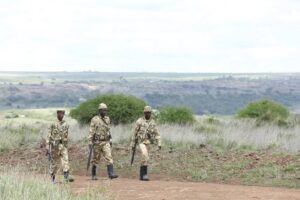
Poaching has decimated Africa’s iconic species—rhinos, elephants, and lions—pushing many to the brink of extinction. But behind the headlines of loss are powerful stories of courage: dedicated anti‑poaching units (APUs) working hand‑in‑hand with governments, NGOs, and local communities to reverse the damage. Their work isn’t just about enforcement; it’s about restoring balance, securing livelihoods, and giving future generations a chance to witness the wild.
The Evolution of Anti‑Poaching in Kenya
1. Early Days – Reactionary Patrols
In the 1980s,rangers responded
to incidents after they
happened with limited equipment
and no community involvement.
2. The Turning Point – Community Conservancies (2000s)
Programs like the Maasai Wildlife Conservation Fund and Ol Pejeta Conservancy invited local pastoralists to guard the land they lived on,turning former poachers into paid protectors.
3. Modern Tech‑Armed Units (2020‑present)
Drones, real‑time GPS tracking, acoustic sensors, and AI‑driven data analytics now give rangers predictive insights, cutting response time from hours to minutes.
Success Story #1 Ol Pejeta’s Rhino Sentinel Unit
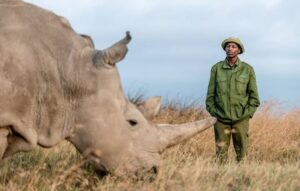
Ol Pejeta, home to the last two northern white rhinos, deployed a 24/7 Sentinel Unit equipped with thermal cameras and a rapid‑response team of ex‑poachers turned rangers. Since 2015, they’ve recorded zero rhino poaching incidents on the conservancy, and the black‑rhino population has risen from 18 to 34 individuals.
Quote:
“Seeing a rhino calf survive because we stopped a snare is why I left the bush for the badge,” JamesMuriuki, former tracker, now APU leader.
SuccessStory#2 Maasai Mara – The Lion Guardians
Founded by Maasai warriors, the Lion Guardians program trains young men to monitor lion movements, protect livestock, and deter retaliatory killings. In 2023, the area recorded 95 %reduction in lion killings and a 30 %increas in pride size across the Mara ecosystem.
Quote:
“When my spear protects a lion, it protects my children’s future,” – LukasIlala,LionGuardian.
Success Story #3 Tsavo’s Elephant Protection Initiative
Tsavo’s vast plains once saw 20 % of Kenya’s elephant deaths from poaching. A joint KWS‑WWF unit introduced night‑visionpatrolboats on the Galana River and communityscouts from the Taita Taveta villages. Since 2021, elephant mortality from poaching dropped by 70 %, and calf survival rates rose to 85 %.
How Lavira Safaris Supports Anti‑Poaching


- Donation Matching: 2 % of every safari booking is matched and transferred to partner conservancies’ APU funds.
- Visitor Participation: Guests can join “Ranger for a Day” experiences (ethical, no direct contact with weapons).
- Awareness Campaigns: Blog series, social posts, and on‑site briefings educate travelers about the impact of ivory and rhino horn trade.
A Sample Day “Ranger for a Day” (Ethical Engagement)
- Morning – Arrival, briefing on APU operations and safety protocols.Accompany rangers on a morning patrol, learn snare detection and GPS mapping.
- Noon – Visit a community school funded by conservancy revenue, share a short talk on wildlife conservation
- Evening – Departure, take home a digital story and optional donation link.
How You Can Help
- Choose Responsible Safaris: Book with Lavira Safaris.
- Donate Directly: Most conservancies have transparent donation portals.
- Spread the Word: Share verified anti‑poaching stats on social media (use #EndPoaching #LaviraSafaris).
Frequently Asked Questions
Do anti‑poaching units still use armed rangers?
Yes, many units are armed for self‑defence and to deter armed poachers, but training emphasizes de‑escalation and community collaboration.
How effective are drones in stopping poaching?
Drones provide real‑time aerial surveillance, covering vast areas quickly; they’ve cut illegal incursions by up to 40 % in pilot zones.
Can tourists safely join patrols?
Ethical “Ranger for a Day” programs exist, but they focus on observation, education, and fundraising—no weapons handling.
Closing Thought
From snares hidden in the grass to drones buzzing overhead, the battle against poaching is evolving. Each success—whether a rescued rhino calf or a lion pride thriving because warriors protect it—shows that when communities, rangers, and conscious travelers unite, protection wins.
Ready to be part of the solution?
📞 Call: +254 721 757 387
📧 Email: info@lavirasafaris.com
🌐 Visit: www.lavirasafaris.com