Samburu National Reserve, Kenya
Wildlife, Culture & Northern Kenya Safari Guide
Samburu National Reserve is a protected wildlife reserve located in Samburu County in northern Kenya along the Ewaso Nyiro River. Established in 1962, the reserve covers approximately 165 square kilometres (64 square miles) and forms part of the greater Samburu ecosystem together with the neighbouring Buffalo Springs and Shaba National Reserves.
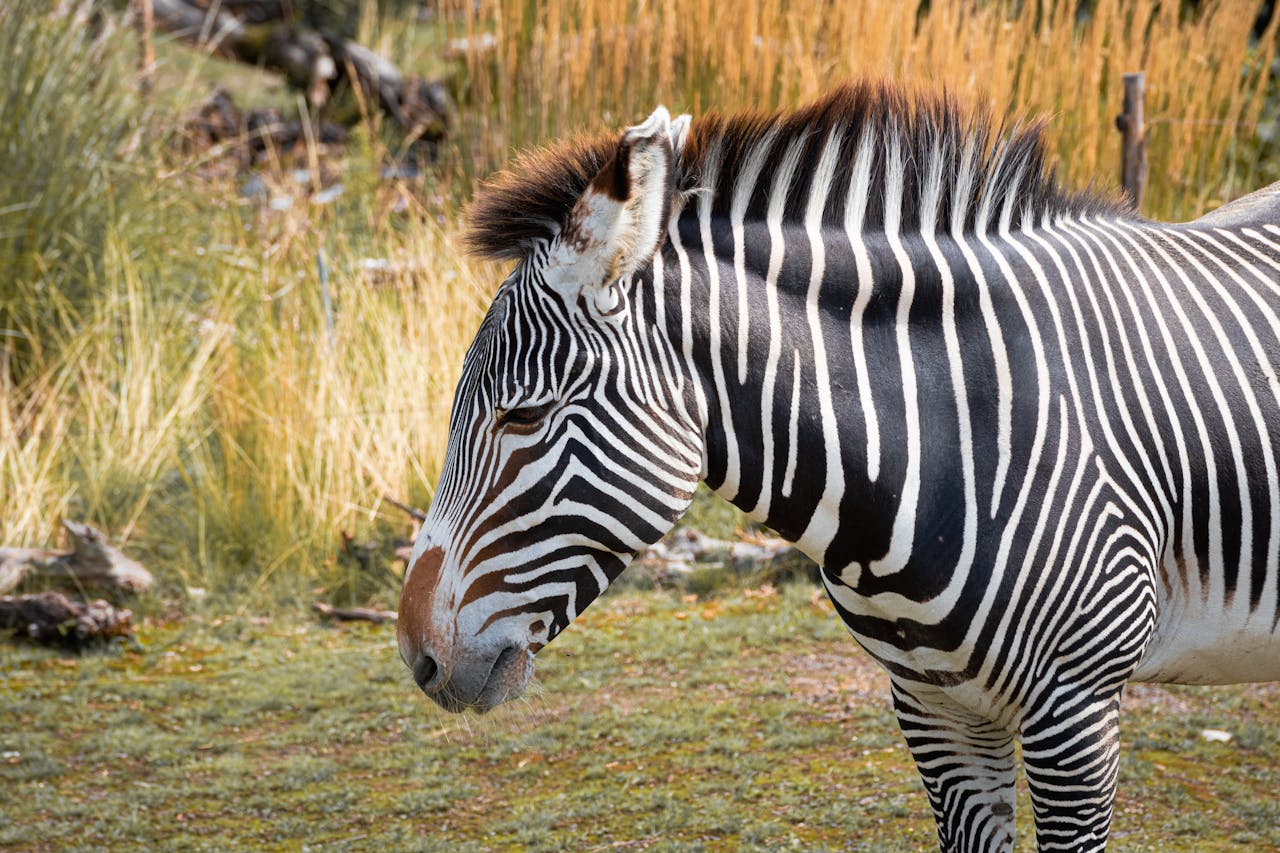
Named after the Samburu people, a semi-nomadic pastoralist community indigenous to the region, Samburu is known for its semi-arid landscapes, riverine forests, rocky hills and acacia woodland. The reserve is especially recognised for species adapted to northern Kenya’s dry conditions, including the “Samburu Special Five” – Grevy’s zebra, reticulated giraffe, Somali ostrich, gerenuk and Beisa oryx.
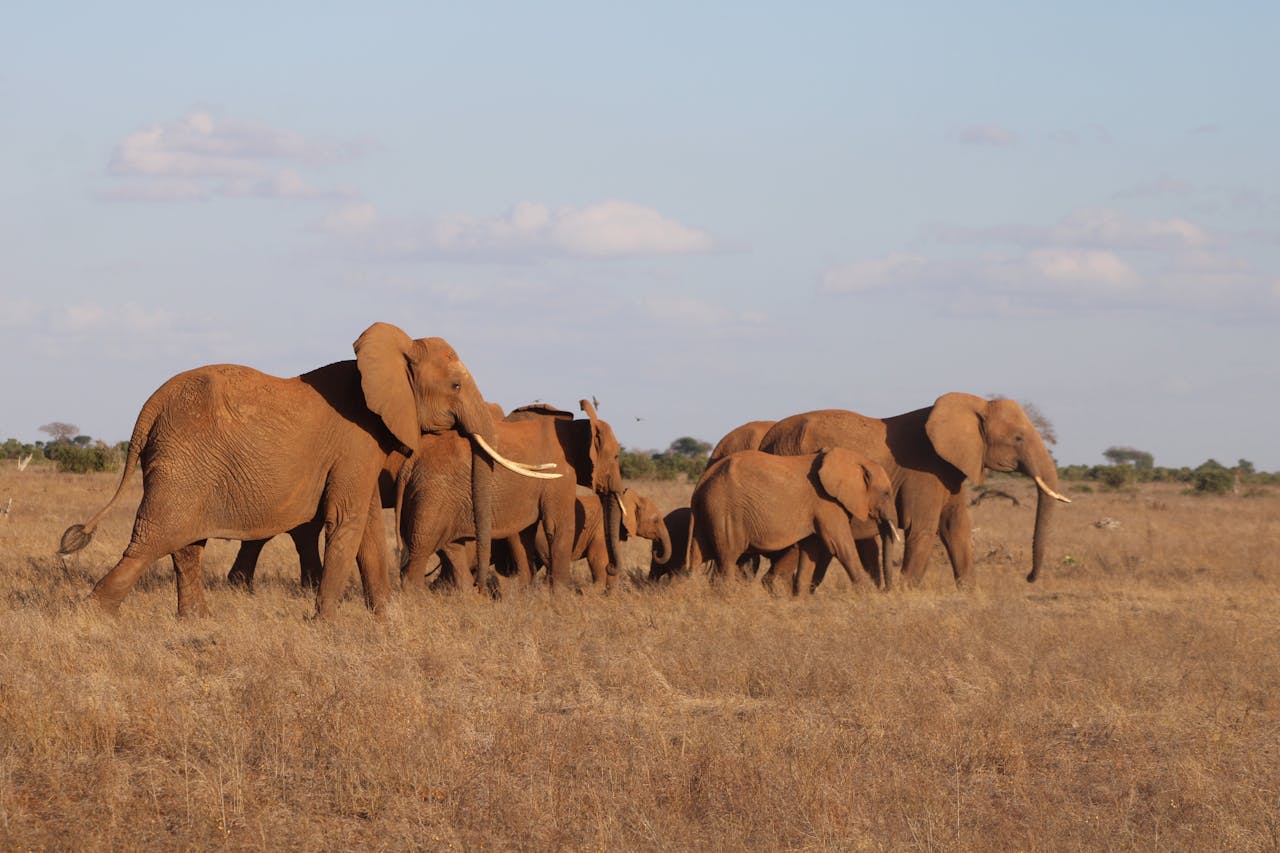
The reserve also supports elephants, lions, leopards, cheetahs, crocodiles, hippos and over 450 recorded bird species. The Ewaso Nyiro River serves as the main water source within the ecosystem and plays a critical role in sustaining wildlife throughout the year.
Park Essentials
- Size: Approximately 165 km² (64 sq mi)
- Best for: Rare northern Kenya wildlife, the Samburu Special Five, elephant sightings and authentic cultural experiences
- Entry fee (non-resident): USD 80-85 adult / USD 40-50 child depending on season and management updates
- Distance from Nairobi: Approx. 320-350 km (6-7 hrs by road depending on route and road conditions)
- Airstrips: Samburu Oryx Airstrip, Buffalo Springs Airstrip and Kalama Airstrip
- Gates open: 6:00 AM – 6:00 PM
Best Time to Visit Samburu - Month by Month
Samburu is warmer and drier than many of Kenya’s safari regions, offering strong wildlife viewing throughout most of the year. Use this seasonal guide to plan your Samburu safari.
Samburu National Reserve Guide
Explore Samburu’s rugged landscapes, rare northern wildlife and rich cultural heritage in one of Kenya’s most distinctive safari destinations.
Samburu National Reserve vs Other Kenyan Parks
Choose the right safari destination based on your travel priorities.
| Destination | Best For | Signature Experience |
|---|---|---|
| Samburu | Rare species | Grevy’s zebra & reticulated giraffe |
| Maasai Mara | Big cats & migration | River crossings & lion prides |
| Amboseli | Elephants & Kilimanjaro views | Super tuskers & iconic landscapes |
| Tsavo West | Red Elephants, Remote wilderness | Lava flows & Mzima Springs |
Frequently Asked Questions About Samburu National Reserve
Expert insights to help you plan your Samburu safari - from wildlife and weather to travel logistics, accommodation and the best safari experiences in northern Kenya.
| Question | Answer |
|---|---|
| What is Samburu National Reserve famous for? | Samburu National Reserve is best known for its rare northern wildlife species known as the Samburu Special Five - Grevy’s zebra, reticulated giraffe, Somali ostrich, gerenuk and Beisa oryx. The reserve is also known for its rugged landscapes, strong predator sightings and authentic cultural experiences. |
| Where is Samburu National Reserve located? | Samburu National Reserve is located in Samburu County in northern Kenya along the Ewaso Nyiro River. The reserve forms part of a larger ecosystem that includes Buffalo Springs and Shaba National Reserves. |
| When is the best time to visit Samburu? | The best time to visit Samburu is during the dry seasons from June to October and December to March when wildlife gathers around the Ewaso Nyiro River and vegetation is less dense, making animal sightings easier. |
| How many days should I spend in Samburu? | A stay of 2 to 4 nights is ideal for experiencing multiple game drives, exploring different parts of the reserve and enjoying cultural or conservancy activities. |
| What wildlife can I see in Samburu? | Samburu is home to elephants, lions, leopards, cheetahs, crocodiles, hippos and more than 450 bird species. It is especially famous for the Samburu Special Five which are rarely seen in southern Kenya safari destinations. |
| What are the Samburu Special Five? | The Samburu Special Five include the Grevy’s zebra, reticulated giraffe, Somali ostrich, gerenuk and Beisa oryx. These species are uniquely adapted to the semi-arid conditions of northern Kenya. |
| How do I get to Samburu National Reserve? | Samburu can be reached by road from Nairobi in approximately 5 to 6 hours depending on traffic and road conditions. Daily scheduled flights from Nairobi Wilson Airport also operate to nearby Samburu airstrips. |
| Is Samburu good for a luxury safari? | Yes. Samburu offers a range of luxury lodges and tented camps with river views, private conservancy experiences, guided walks and personalised safari activities in a quieter setting compared to some busier parks. |
| What activities can I do in Samburu? | Popular activities include game drives, birdwatching, guided bush walks in conservancies, cultural visits to Samburu communities, bush breakfasts, sundowners and wildlife photography experiences. |
| Is Samburu suitable for first-time safari travellers? | Absolutely. Samburu offers excellent wildlife viewing, unique landscapes and fewer vehicles than some southern Kenya safari destinations, making it ideal for both first-time and returning safari travellers. |
| What is the weather like in Samburu? | Samburu has a warm and dry semi-arid climate throughout most of the year. Daytime temperatures are generally higher than in the Maasai Mara while mornings and evenings can still feel cool. |
| Is Samburu safe for safari travel? | Yes. Samburu National Reserve is a well-established safari destination visited by travellers from around the world. As with any safari destination, it is important to follow guidance from your guides, lodge staff and safari operator. |
| What should I pack for a Samburu safari? | Pack lightweight neutral-coloured clothing, sunscreen, sunglasses, a hat, comfortable walking shoes, binoculars and a light jacket for cooler mornings and evenings. |
| Are there luxury lodges and tented camps in Samburu? | Yes. Samburu offers a variety of accommodation options ranging from intimate luxury tented camps and riverside lodges to family-friendly safari properties and private conservancy retreats. |
| What makes Samburu different from the Maasai Mara? | Samburu offers a more rugged and semi-arid safari environment with unique northern wildlife species rarely seen in the Maasai Mara. The reserve also tends to feel quieter and more remote with strong cultural connections to the Samburu people. |
| Why should I visit Samburu National Reserve? | Samburu combines rare wildlife, dramatic scenery, fewer crowds and authentic cultural experiences within one ecosystem. For travellers seeking a different side of Kenya safari travel beyond the classic savannah landscapes, Samburu delivers a distinctive and rewarding safari experience. |
Best Samburu Lodges & Camps
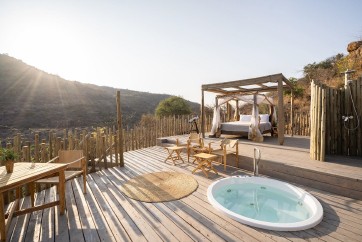
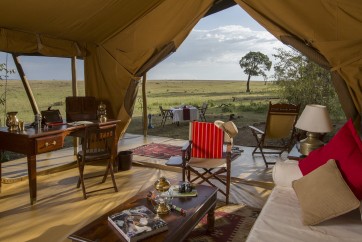
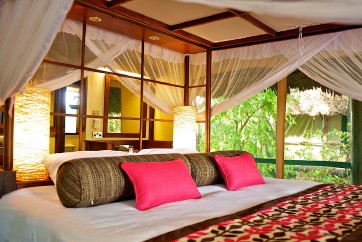
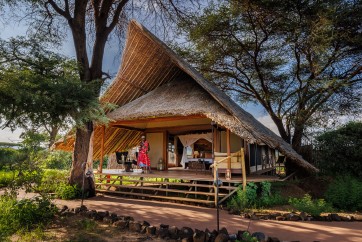
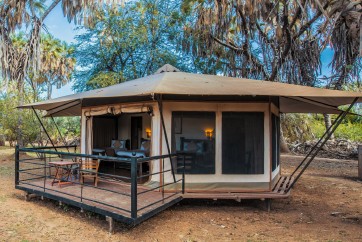
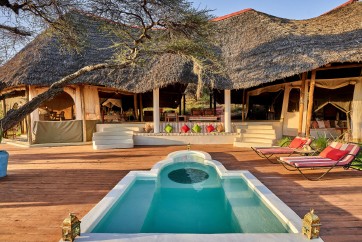
Discover handpicked Samburu safari lodges and luxury tented camps offering exceptional wildlife viewing, authentic cultural experiences and access to northern Kenya’s unique landscapes and rare wildlife species.