The Super Tuskers of Amboseli
Amboseli is the best place on Earth to witness “super tuskers” – elderly bulls whose tusks weigh over 45kg each and often scrape the ground. The renowned Amboseli Elephant Research Project (since 1972) has studied individuals like Craig, the legendary Tim, and many more. This is not just a safari; it’s a journey into the most scientifically significant elephant population in the wild.
1,600+ elephants call this park home, and their social structure is among the most studied anywhere.
Park Essentials
- Size: 392 km² (151 sq mi)
- Best for: Elephants, Kilimanjaro views, birding
- Entry fee (non-resident): $60–$70 adult / $45 child
- Distance from Nairobi: 240 km (4–5 hrs)
- Airstrip: Amboseli (HKAM)
- Gates open: 6:00 AM – 7:00 PM
Best Time to Visit Amboseli - Month by Month
Wildlife visibility, Kilimanjaro clarity, and crowd levels vary. Use this seasonal guide to plan your safari.
Amboseli National Park Guide
Explore the landscapes, wildlife and cultural richness of one of Kenya’s most iconic safari destinations.
Amboseli vs Other Kenyan Parks
Choose the right safari destination based on your travel priorities.
| Destination | Best For | Signature Experience |
|---|---|---|
| Amboseli | Elephants & Kilimanjaro views | Super tuskers & iconic landscapes |
| Maasai Mara | Big cats & migration | River crossings & lion prides |
| Tsavo West | Red Elephants, Remote wilderness | Lava flows & Mzima Springs |
| Samburu | Rare species | Grevy’s zebra & reticulated giraffe |
Frequently Asked Questions
Expert insights to help you confidently plan your Amboseli safari - from timing and costs to logistics and experiences.
| Question | Answer |
|---|---|
| Is Amboseli worth visiting compared to Maasai Mara? | Yes - but they offer different experiences. Amboseli is unmatched for close-range elephant encounters and iconic Kilimanjaro views, while the Maasai Mara is best for big cats and the Great Migration. Many travellers combine both for a complete Kenya safari. |
| When is the best time to visit Amboseli? | The dry seasons (January–February and June–October) offer the best wildlife visibility and clearer views of Kilimanjaro. July–September is peak season, while April–May is quieter with lush landscapes but more rain. |
| How many days should I spend in Amboseli? | A 2–3 night stay is ideal. This allows multiple game drives, better chances of seeing Kilimanjaro clearly, and a more relaxed safari experience. |
| How much does an Amboseli safari cost? | Safari costs typically range from $350 to $1,200+ per person per night, depending on the level of accommodation, season, and inclusions. Luxury camps and private safaris will be at the higher end. |
| How do I get to Amboseli National Park? | You can drive from Nairobi (approximately 4–5 hours via Namanga) or fly from Wilson Airport to Amboseli airstrips (around 40–50 minutes). Flying is faster and commonly used for luxury safaris. |
| Do I need a 4x4 vehicle? | Yes, a 4x4 is strongly recommended year-round. Some tracks, especially near swamps, can become muddy and difficult for 2WD vehicles. |
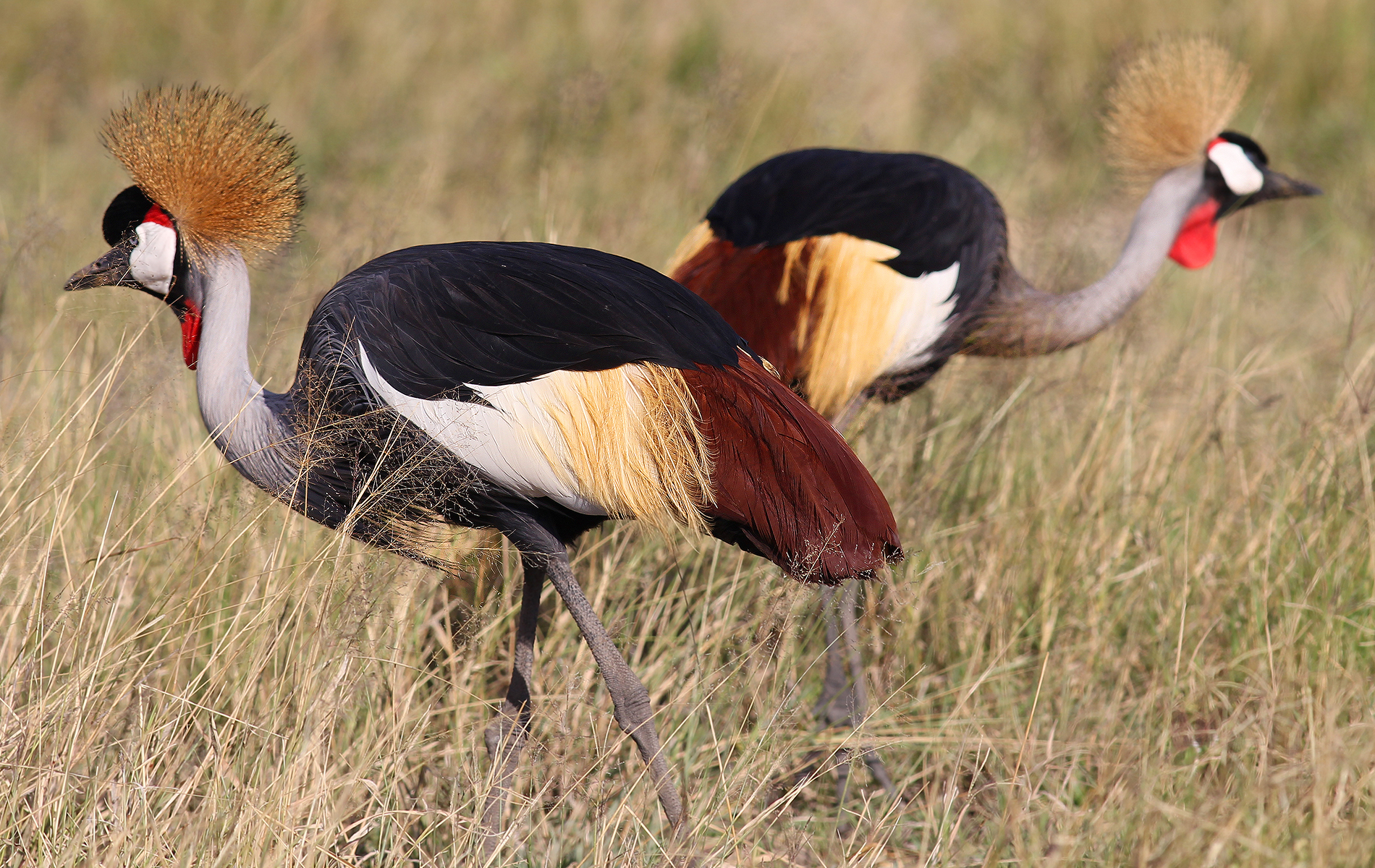
| What wildlife can I expect to see? | Amboseli is famous for its large elephant herds, including some of Africa’s last big tuskers. You can also see lions, cheetahs, hyenas, buffalo, giraffes, zebras, wildebeest, and over 400 bird species. |
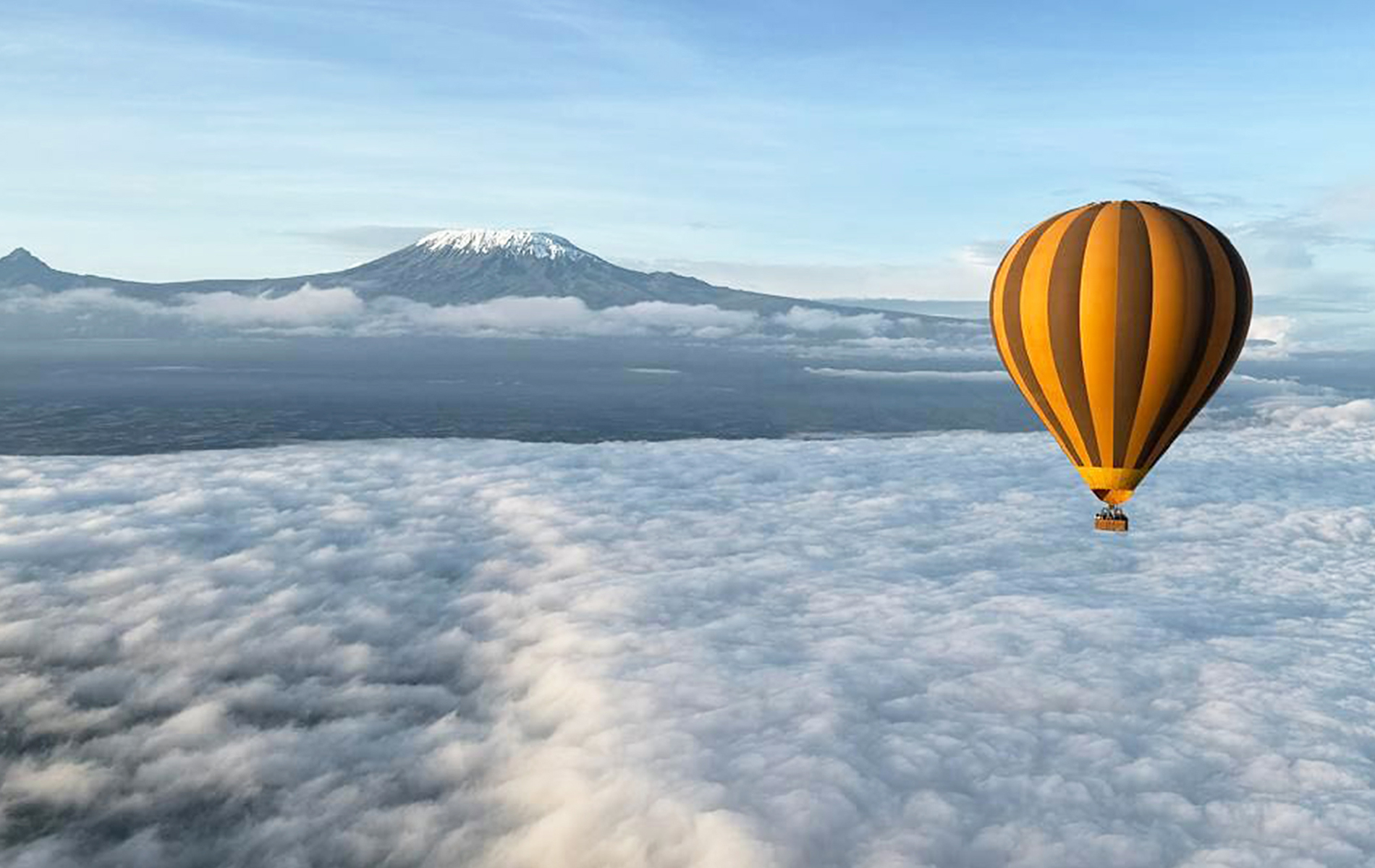
| Will I always see Mount Kilimanjaro? | Not always. Kilimanjaro is often covered by clouds, especially later in the day. Early mornings and sunrise offer the best chance for clear views. |
| Is Amboseli suitable for first-time safari visitors? | Absolutely. Its open landscapes and high wildlife density make sightings easy and rewarding, making it one of the best parks for first-time visitors. |
| Is Amboseli good for families? | Yes. The park’s relatively small size and consistent wildlife sightings make it ideal for families, with shorter game drives and engaging experiences for children. |
| Where should I stay – inside or outside the park? | Lodges inside the park offer immediate access to early morning game drives, while camps in nearby conservancies provide more exclusivity, fewer vehicles, and activities like walking safaris and night drives. |
| What activities can I do in Amboseli? | Activities include game drives, birdwatching, photography, cultural visits to Maasai villages, and guided nature walks in select conservancies. |
| Do I need to book in advance? | Yes, especially during peak seasons (July–October and December holidays). Booking in advance ensures better lodge availability and smoother logistics. |
| Are park fees included in safari packages? | Most professionally arranged safaris include park fees, but always confirm with your tour operator to avoid unexpected costs. |
| What should I pack for Amboseli? | Pack light, neutral-colored clothing, a hat, sunscreen, binoculars, a camera, and a light jacket for early mornings and evenings. |
| What makes Amboseli unique? | Few places in Africa offer such reliable elephant sightings combined with the dramatic backdrop of Mount Kilimanjaro. It’s one of the most photogenic safari destinations on the continent. |
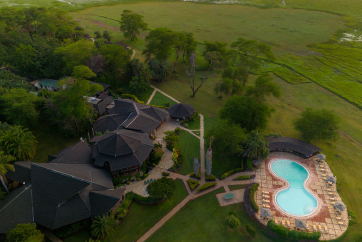
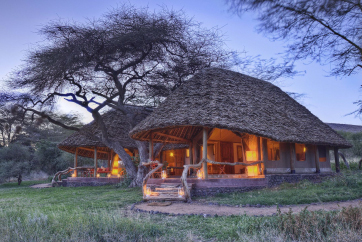
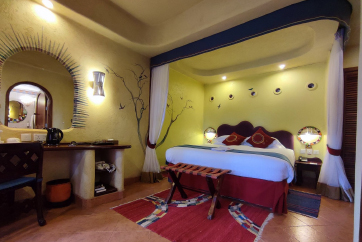
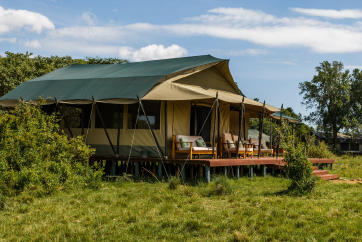
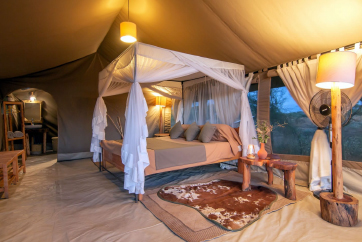
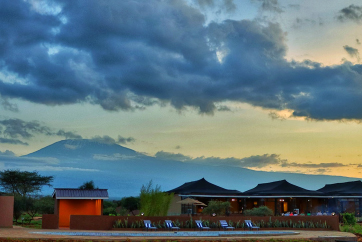
Best Amboseli Lodges & Camps
Discover handpicked accommodations offering exceptional wildlife access, Kilimanjaro views, and immersive safari experiences.