When you book a safari in Kenya, your money can do two very different things. In a crowded main park, your entry fee joins thousands of others and goes into central government accounts. That money pays Kenya Wildlife Service rangers who protect wildlife from poaching, funds wildlife veterinary teams, supports anti-poaching patrols, repairs park roads and airstrips, maintains firebreaks, provides water during dry seasons, and runs community programs around the parks. The system works, and those rangers, vets, and infrastructure keep Kenya’s national parks standing. On an ethical safari in Kenya, your money takes a different route. Every dollar is traceable to a specific family and a specific piece of land. You know who you paid, what ridge you protected, and which household earned school fees because you came. That is the difference Lavira Safaris built the company on.
Most travelers want to do good while they travel, but the safari industry makes it hard to see impact. Brochures say “sustainable” and “community-based” but the structure underneath is often the same. Large lodges sit on government land, pay a flat lease to the state, and hire a few locals for basic jobs. Wildlife still loses habitat outside the park fence because the people who live with lions get nothing when tourism comes. An ethical safari in Kenya flips that model. The land stays in local hands, the tourism income goes to families first, and wildlife is worth more alive than dead.
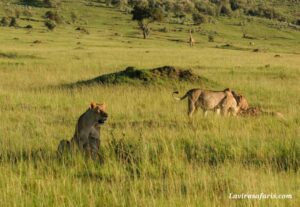
A private conservancy safari in Kenya is the clearest example of where your money actually goes. Private conservancies are not parks. They are thousands of acres of community-owned land leased directly from Maasai families. Your daily conservancy fee does not go to a distant office. It pays a monthly lease to the family that owns that ridge, that riverbank, that lion den. The contract says if the land stays open for wildlife, the family gets paid whether you visit or not. If they fence it for cattle or sell it for wheat, the payments stop. So your safari fee makes grasslands more valuable than crops. It makes a lion cub worth more than a dead cow. That is direct conservation, and it is why Kenya’s private conservancies now protect more land than some national parks.
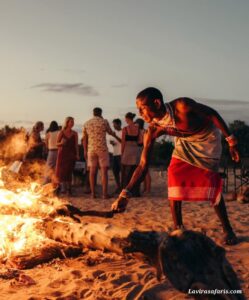
Your bed night also pays salaries that stay local. In a main park lodge, senior managers often come from Nairobi or abroad. In a private conservancy camp, your guide was born five kilometers away. He tracked leopards as a boy. Your spotter is his cousin. The chef is his sister. The camp hands are neighbors. Because conservancies limit beds to one per hundreds of acres, the ratio of local staff to guests is high. More of your money becomes school fees, medical bills, and solar panels in the village, not profit sent to the city.
The wildlife benefits because the rules protect it. Private conservancies limit vehicles to one or two per sighting. No crowds means no stress. Elephants don’t change their path because 15 minibuses blocked the waterhole. Lions hunt at night without spotlights blinding them from every angle. Because your fee keeps vehicle numbers low, animals behave naturally and live longer. Older elephants teach calves. Big male lions hold territory for years. That stability is what you photograph, and it exists because your money capped the number of people who could come.
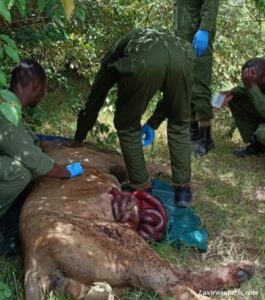
Your fee also funds anti-poaching, but not in the way you think. The best ranger is a local father who earns enough to feed his kids. When a conservancy lease pays his household, he reports snares because poachers threaten his income. When cattle income is the only option, that same father might ignore a poisoned lion to protect his herd. Ethical safaris in Kenya turn neighbors into protectors by giving wildlife a salary. Your money runs the patrol car, helps train community scouts, supports communication for rapid response, and funds projects that reduce human-wildlife conflict.
You can check if your safari is ethical before you book. Ask three questions. Who owns the land you will drive on? If the answer is “the government” your money funds national rangers, wildlife vets, roads, water, and anti-poaching. If the answer is “we lease it from 120 Maasai families and I can name them”, your money has a direct line to households. Second, ask how many vehicles are allowed per sighting. Unlimited means your fee funds volume. One to two means your fee buys wilderness. Third, ask where the guides come from. If they grew up walking the same trails you will drive on, your money invests in local knowledge, not imported expertise.
An ethical safari in Kenya is not more expensive for less. It is more expensive because you get more. You get night drives because low density keeps it safe. You get cycling safaris because private land allows it. You get time at sightings because no one is queuing behind you. And you get the quiet knowledge that the lion you watched will still be there next year because your visit helped pay the lease on his home. That is value, not cost.
The impact lasts after you leave. Conservancy leases are signed for 15 to 25 years. Your safari this season helps secure that land through drought, through elections, through market crashes. Children in lease families grow up knowing wildlife paid for school. They become guides, managers, owners. The cycle holds. When you choose an ethical safari in Kenya, you are not buying a holiday. You are buying years of grass, years of lions, years of choice for families who live with wildlife.
Book a safari that can show you receipts. Ask where the money goes. If the answer is clear, specific, and local, you found an ethical safari. If the answer supports national parks, that is also conservation that protects wildlife and keeps the wild open. Your choices decide whether Kenya’s wildlife future is fenced, farmed, or free.
Lavira Safaris specializes in ethical safaris across Kenya.
📍 Kenya
📧 Email: info@lavirasafaris.com
📱 WhatsApp: +254721757387